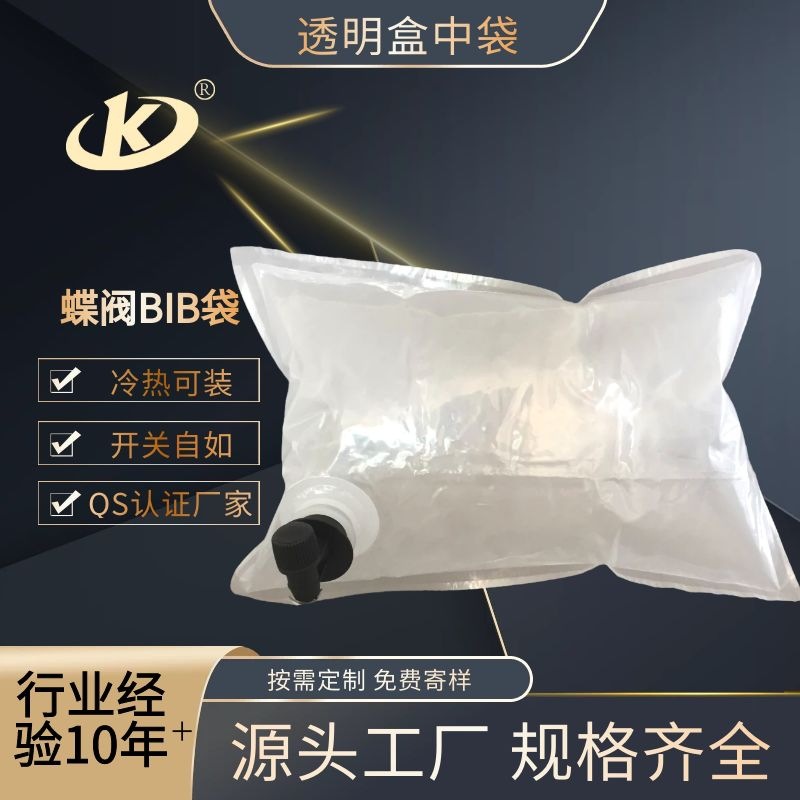
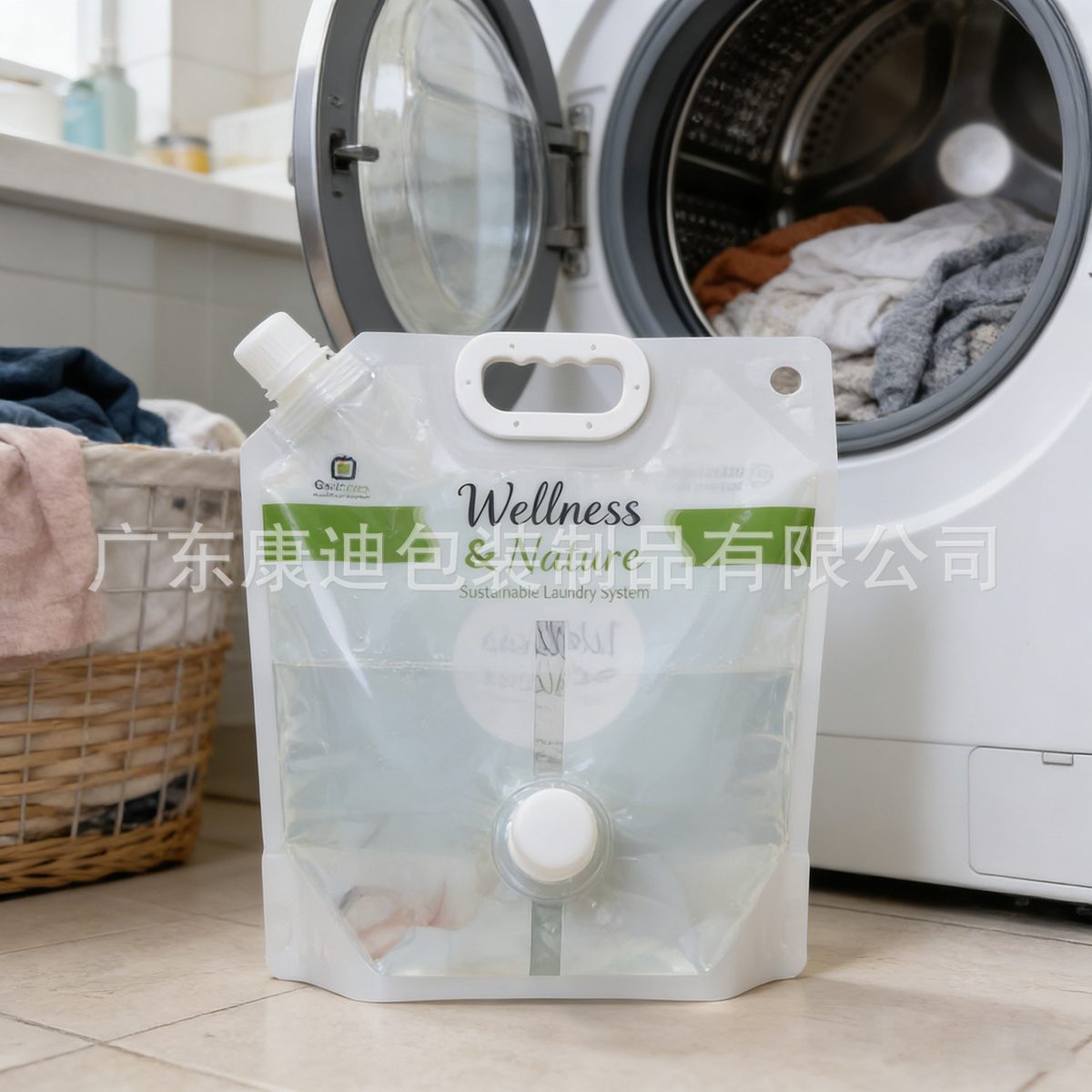
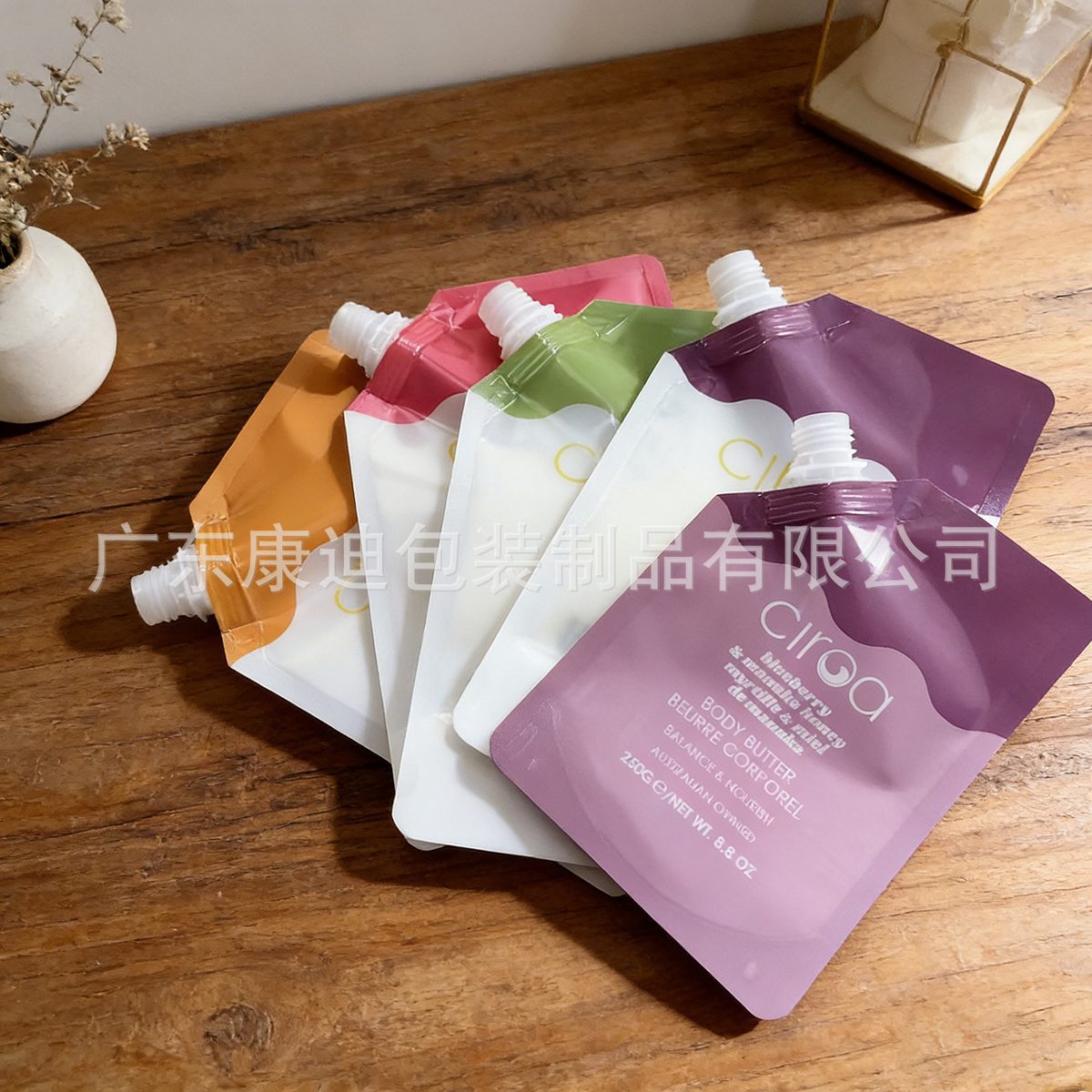
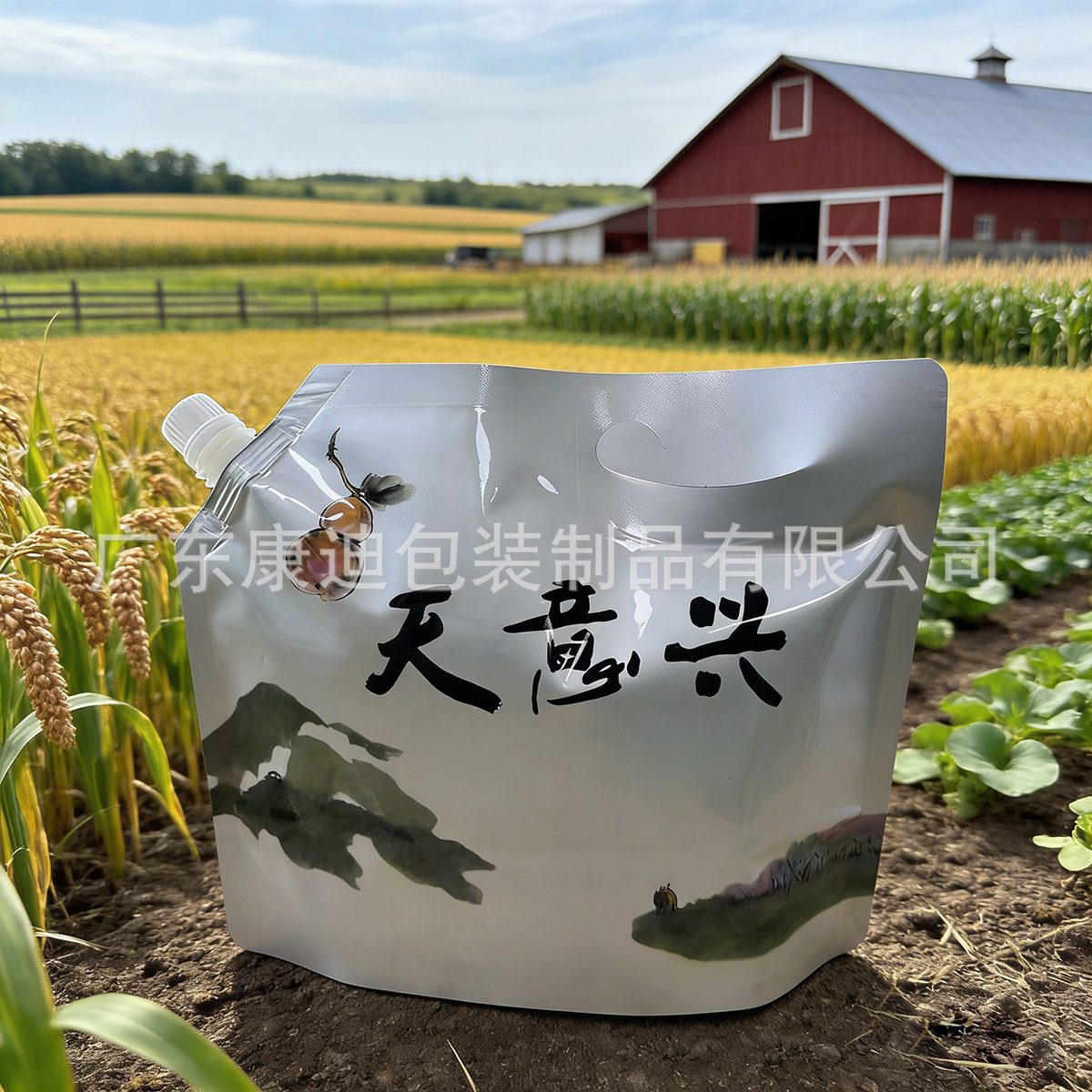
This 1–10 L aseptic puree zipper pouch is built around a high-barrier PET/VMPET/PE laminate for oxygen and light protection, with a mono-PE recyclable option for PPWR-aligned projects. The zipper format supports secure reclosure after opening, while an optional spout fitment can be positioned for controlled dispensing on fruit, vegetable, dairy or baby-food puree lines. Film is food-contact grade and can be supplied with EU declaration support, subject to final application review. The pouch suits 5–10 L bulk puree packs and smaller 1–3 L formats where buyers need a recloseable aseptic-style pack rather than a rigid container. We adapt wall thickness, seal width and fitment choice to the filling line and distribution conditions.
Filling can run through the spout fitment or open top before zipper closure, depending on the line configuration. We recommend trialling seal parameters, fill temperature and headspace with your puree before commercial production. Printing is by 10-colour rotogravure, allowing brand colours, product data, batch coding areas and EU label content to be placed on a stable film web. Standard MOQ is 10,000 pouches per printed SKU, with lower quantities for unprinted or stock-structure trials. Sampling usually starts with a structure/format proposal, then a pre-production sample for fill and seal checks. We confirm artwork, fitment position and pouch dimensions at each approval step to reduce filling-line adjustments at commissioning.
For German and EU buyers, this zipper pouch is positioned to support PPWR-aligned packaging strategies through recyclable mono-PE options and clear material separation guidance. The high-barrier PET/VMPET/PE version is intended for oxygen-sensitive purees where shelf-life protection is the priority; the mono-PE option is for projects where recyclability is the leading requirement. Both are made from food-contact grade film and can be discussed against your EU food-contact and labelling requirements without implying third-party certification. We review spout/zipper compatibility, filling temperature, pasteurisation or aseptic process conditions and transport stress before finalising the structure. This specification-first approach helps buyers compare pouch format, barrier level, recyclability and filling-line fit before committing to artwork and production.