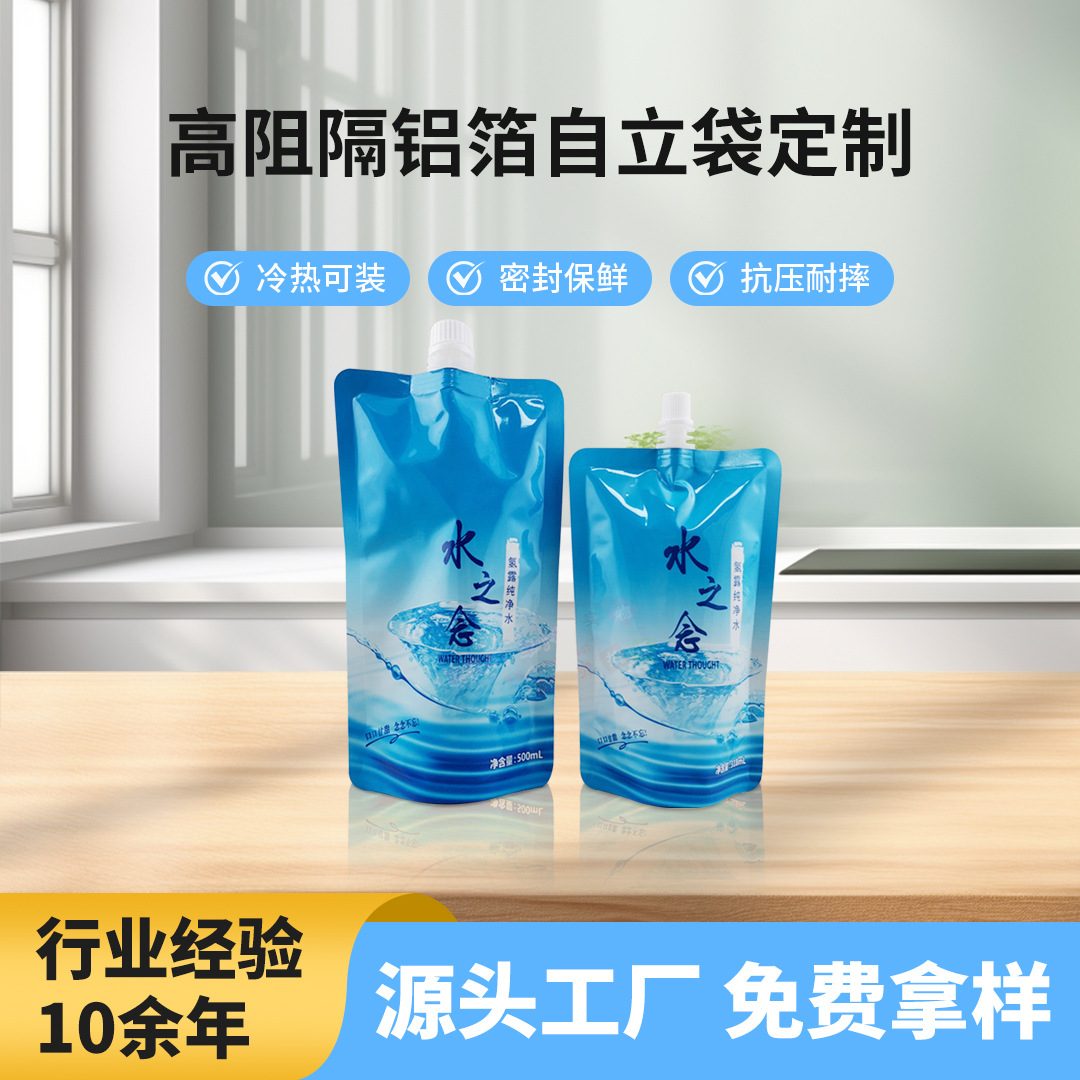
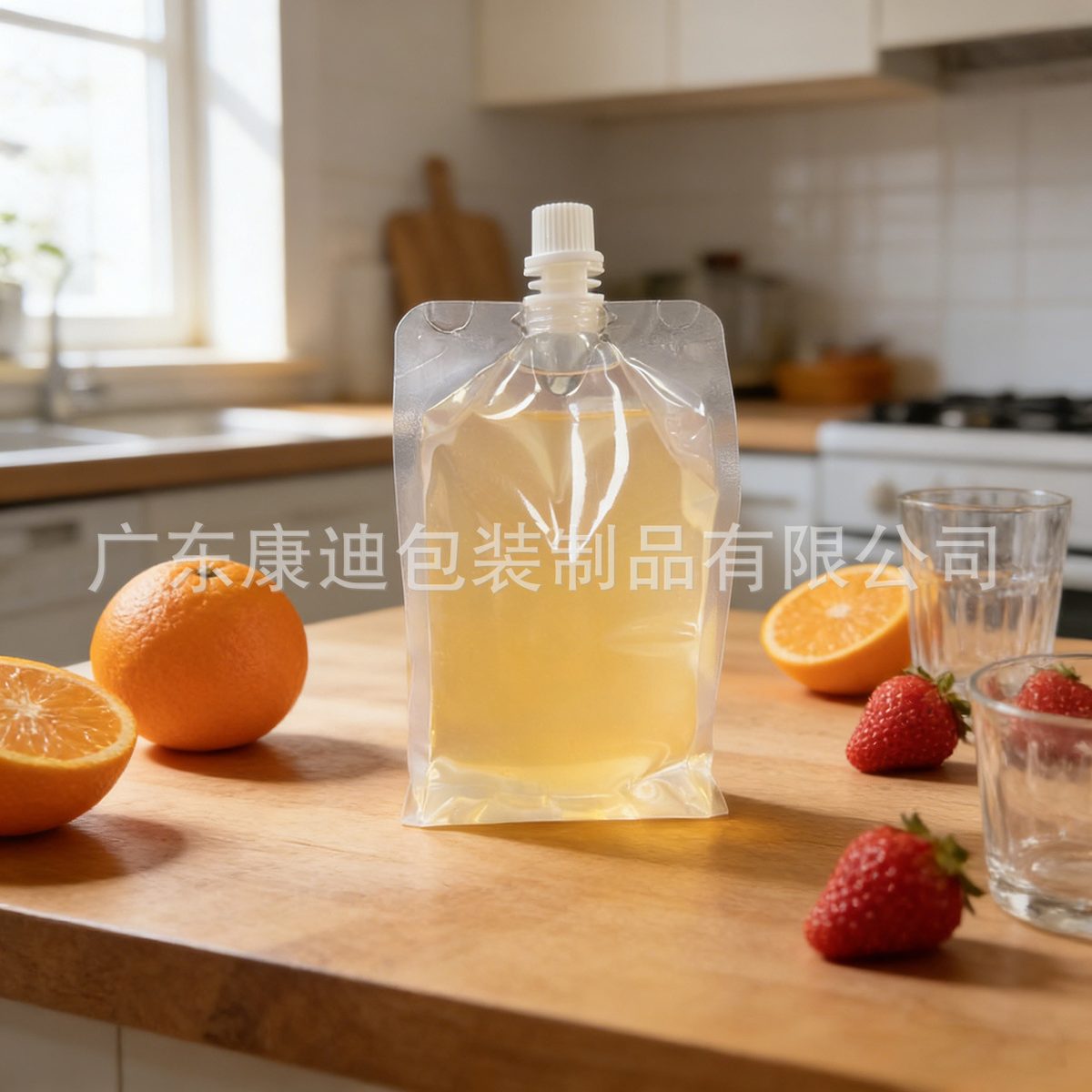
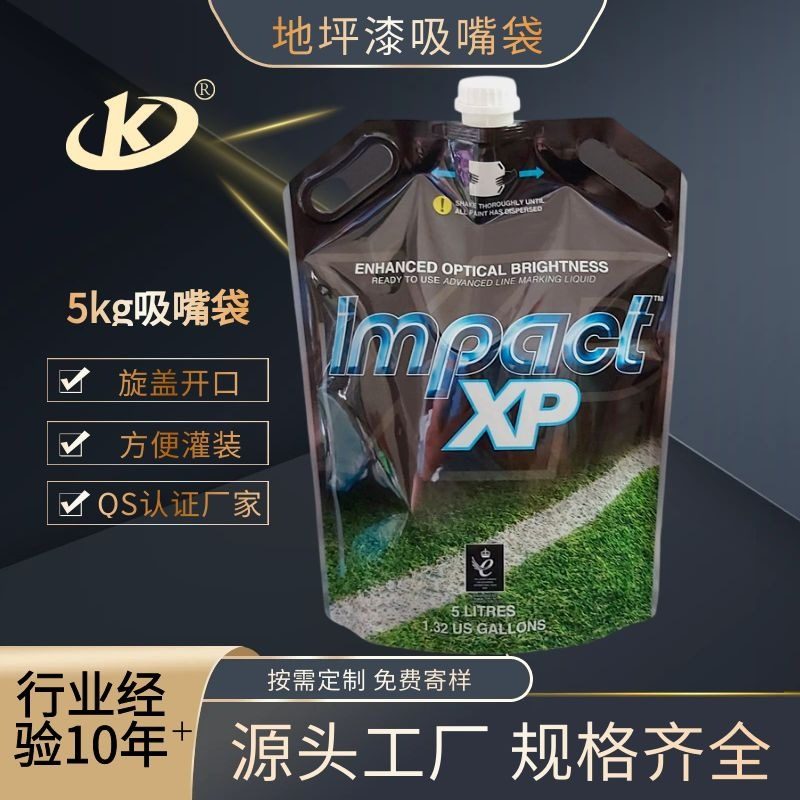
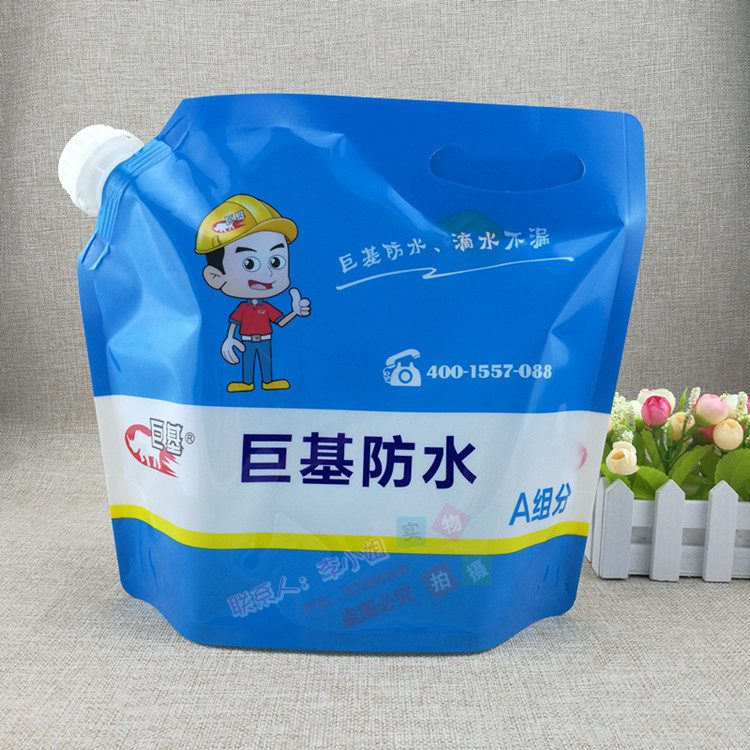
This foil pouch is built for dairy cream products where oxygen and light protection are critical. The standard high-barrier laminate is PET/AL/PE, with PET/AL/PA/PE available for larger formats or filling conditions that require extra puncture resistance. A screw-cap spout can be specified for paste-like creams, and the pouch format supports 1–10 kg fill weights for food-service, bulk retail or ingredient use. The 15,000 m² clean workshop in Dongguan runs 10-colour rotogravure printing, so brand graphics, filling marks and EU-language declarations can be handled in one print run. We review the filling-line interface—spout diameter, cap type, pouch stiffness and case packing—before sampling.
For German and EU buyers, the material brief can be reviewed against food-contact requirements and PPWR-driven recyclability goals. Where a foil-free or mono-material structure is preferred, we can evaluate PE or PP-based alternatives; where the foil pouch remains the best barrier solution, we can discuss design-for-disposal guidance and material reduction without making unverified environmental claims. Sampling typically starts with a plain or printed pre-production pouch, followed by fill trials at the dairy processor. MOQ depends on structure and print complexity; for custom printed foil pouches it is commonly from 10,000 pieces, with lower quantities discussed for trial orders. Lead time is confirmed after artwork, spout and film approvals.
Artwork is reproduced by 10-colour rotogravure on the foil laminate, with matte or gloss finishes and registration controls suited to dairy brand blocks, nutrition panels and batch coding. The pouch can be supplied with a centred spout, offset spout, or cap styles for manual or automatic filling; the exact fitment is confirmed against your filler, capper and carton. Common formats range from 1 kg to 10 kg, with gusseted stand-up or flat pouch constructions depending on shelf and dispense needs. Sealing windows, tear notches and spout placement are agreed on the drawing before plates are cut. Production is planned around approved samples, with routine in-process checks on print, seal and dimensions; final lead time depends on film availability, print cylinders and quantity.